Recently, nutritional information about meat and cured meats communicated to the public has often been influenced by popular opinion rather than scientific information. The belief is gradually spreading that certain foods can be dangerous to our health and should therefore be banned from our tables. For example, milk and dairy products, gluten, meat, and so on have been demonized by a culture of food terrorism. However, these assessments cannot be made without verifying the reliability (and scientific nature) of the information sources and without considering essential information such as the quantity and duration of consumption, cooking methods, etc.
Scientific studies have demonstrated that it’s actually the daily, abundant consumption of certain foods that poses potential health risks, not their prudent consumption. For this reason, it’s important to know how and in what quantities to consume foods to reap benefits, not disadvantages. The key is to understand that excess of any food (as well as a deficiency) can pose health risks. Unfortunately, even managing scientific information is often difficult and requires a cultural background capable of understanding and interpreting it.
In the specific case of meat consumption, it must be reiterated that not only should it not be prohibited, but rather its fundamental role in a correct nutritional education plan should be emphasized.
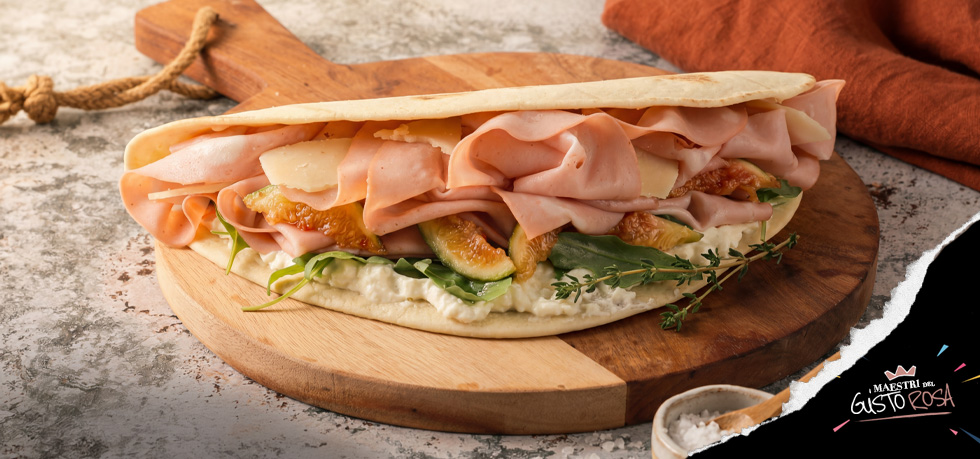
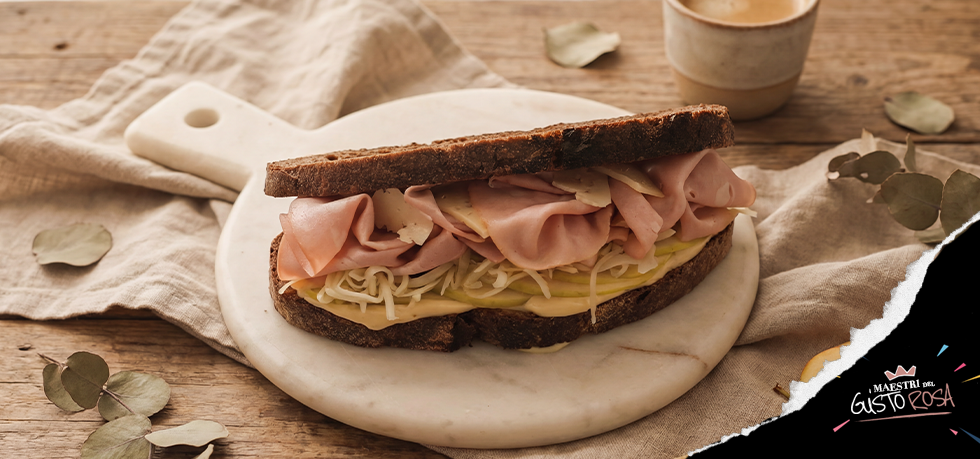
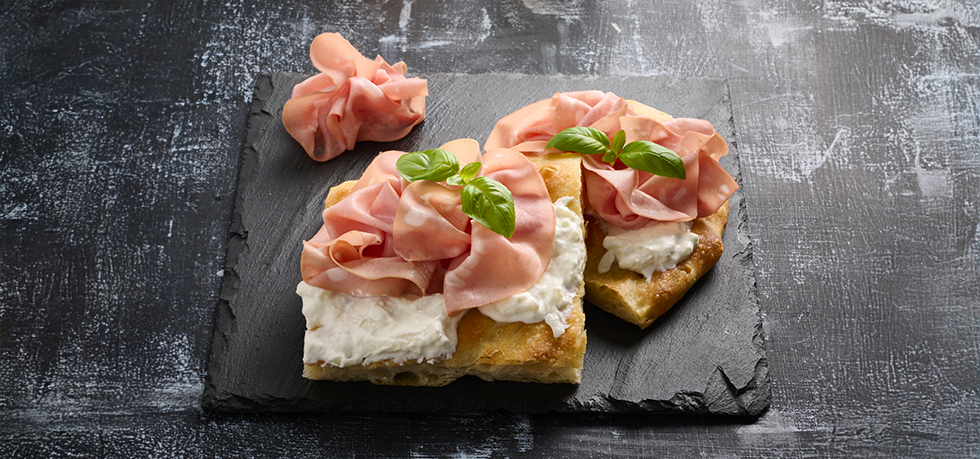
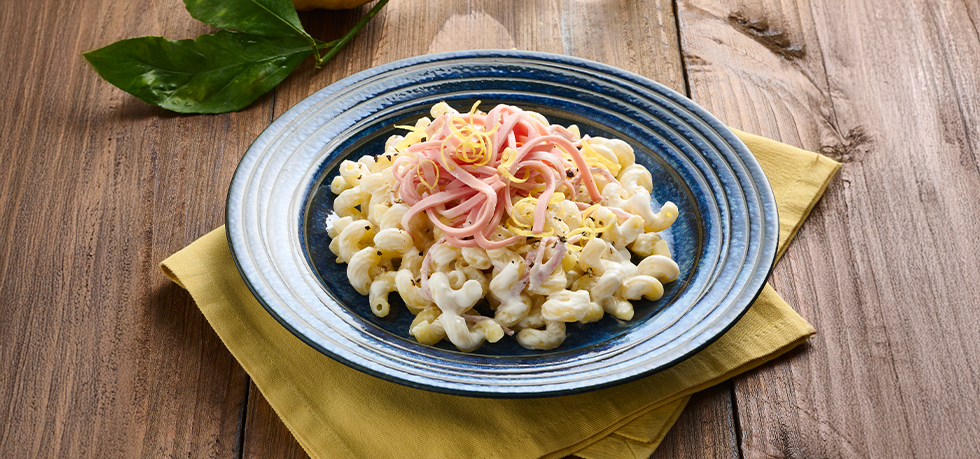
Regarding Mortadella Bologna PGI, more specifically, it is important to underline how over the last thirty years its nutritional composition, like that of other cured meats, has changed significantly in terms of safety and quality thanks to the genetic selection of pigs and their targeted and selective diet. Suffice it to say that in Mortadella Bologna PGI, salt has been reduced by 20%, total calories by 9%, and fat by 11%. Furthermore, if we consider the composition of the fats, we can observe that saturated fats have largely given way to unsaturated fats, which are less harmful to health, and cholesterol does not exceed 70 mg per 100 g of product, keeping in mind that the threshold amount, not to be exceeded in 24 hours, is around 300 mg.
The Mediterranean diet, through the image of a pyramid, illustrates the recommended proportions for each food. Meat and cured meats, although not the basis of daily nutrition, are recognized as sources of essential nutrients and are included in the pyramid. Mortadella Bologna PGI can be safely consumed in moderation by everyone, especially young people and athletes, provided it is consumed alongside a varied, balanced, and well-balanced diet.
Here are the main benefits of meat and cured meats, including Mortadella Bologna PGI.
– Main source of vitamin B12, essential for cell growth. Its deficiency can cause anemia and can lead to folate deficiencies (with the risk of spina bifida in pregnant women, cancer, changes in DNA expression, a propensity for colon cancer, and a risk of increased homocysteine levels), even with adequate consumption of leafy vegetables such as spinach, lettuce, cabbage, turnips, cheese, liver, and barley.
– Highly bioavailable iron (heme iron). Plant-based iron, unlike heme iron (found in hemoglobin or myoglobin), is less absorbable than animal-based iron (only 2% versus 10% of animal-based iron). Some studies have shown that meat and fish can improve the absorption of plant-based iron by up to 10 times. Furthermore, vegetables rich in iron, such as dried legumes (5-6 mg of iron), provide significantly more calories (320-350).
– Proteins of high biological value (high quantity of nitrogen retained in relation to that absorbed) and of excellent quality (they contain all the essential amino acids).